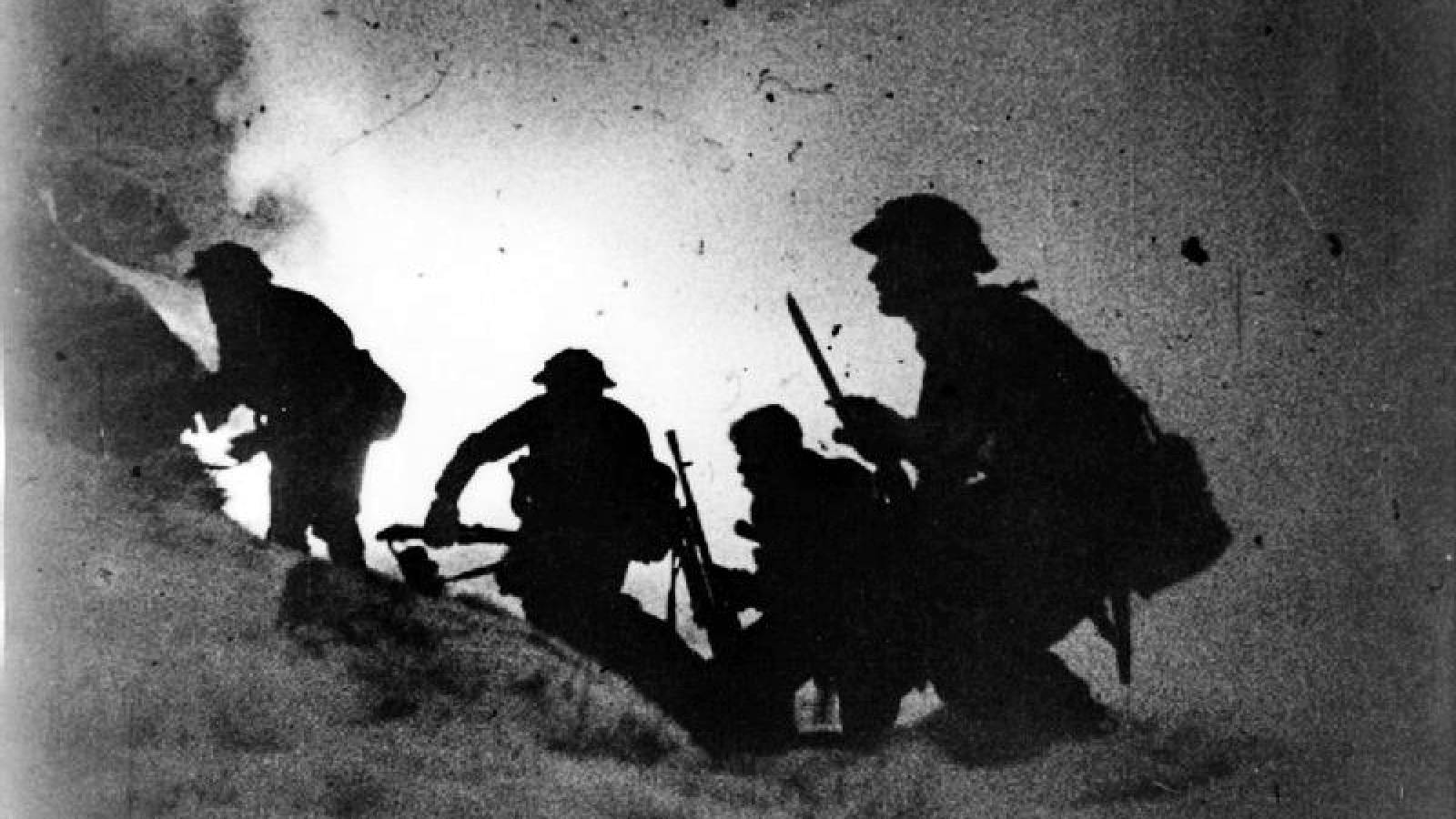
Image by: Imperial War Museum, via Wikimedia Commons (Public Domain)
Elsenham’s Roll of Honour reflects the lasting impact of the First World War on one village
By Martin Foskett, Reporter
PUBLISHED:
UPDATED:
The names recorded on Elsenham’s Roll of Honour are more than a list of those who served during the First World War. Together they provide a record of a village whose people answered the call to serve between 1914 and 1919, and of the families whose lives were permanently changed by the conflict.
The Roll contains the names of well over one hundred people connected with Elsenham. Some returned to continue their lives in the village after the war. Others are marked “RIP”, identifying those who died during the conflict or as a result of their service. Every name represents an individual story, yet together they reveal the scale of military service from what was then a relatively small rural community.
The outbreak of war in August 1914 brought profound change across Britain. Villages such as Elsenham saw young men volunteer in large numbers during the early months of the conflict. Others were called up after conscription was introduced in 1916. Farms, local businesses and the railway all lost workers as military service became part of everyday life.
The Roll illustrates how deeply the war reached into village life. Certain family names recur, indicating that service often became a shared experience within the same household. The Askew, Aylett, Childs, Clayden, Dixon, Franklin, Hensby, Lankester, Livings, Marlow, Morton, Powter, Reynolds, Robinson, Sandford, Sant, Smith and Woodley families are all represented more than once.
For some families, the cost was especially high. Fred Askew and Harvey Askew are both recorded among those who died. Walter Clayden and William Clayden did not return. Albert Childs and Harold Childs are also listed among the fallen, while Charles Franklin, Eric Gilbey, Charles Johnson, John Lankester and William Lankester are remembered in the same way.
The Roll continues with Albert Morton, James Palmer, William Powter, Henry Reynolds, Charles Robinson, Fred Sandford, Sydney Sandford, E. Medley Sant, Arthur Smith, Bertram Smith, Cecil Smith, Charles Tofts, Walter Turner, Edward Unwin and George Woodley. Each entry represents a loss felt not only by a family but by the wider village.
The Dixon family provides one of the clearest examples of how widespread military service became. The Roll includes Arthur, Clifford, Edward, Frederick, George, Harry, James, Lawrence, Lawrence Senior and others bearing the Dixon name. The Sandford family is represented by numerous entries across generations and branches, reflecting how the burden of war often extended far beyond any single individual.
Not everyone on the Roll was a soldier. Edith Aylett is also listed, reminding us that the war transformed the lives of women as well as men. Across Britain, women took on essential work in agriculture, nursing, transport, administration and voluntary organisations while supporting families through years of uncertainty and loss.
The Roll itself does not describe where each person served or the battles they fought. Some would almost certainly have served on the Western Front in France and Belgium, while others may have served at Gallipoli, in the Middle East, in Italy, in Salonika, or at sea. Their experiences would have differed greatly, but each became part of a conflict that reshaped communities across the country.
By the time fighting ended with the Armistice on 11 November 1918, Britain had suffered hundreds of thousands of military deaths. Many of those who returned home carried lifelong physical injuries or the psychological effects of war. The consequences continued long after peace was declared, affecting families, employment, village life and future generations.
In the years that followed, communities across the country created memorials and Rolls of Honour to ensure that those who had served would not be forgotten. Unlike many war memorials, which record only those who lost their lives, Rolls of Honour often include everyone who answered the call to serve. They stand as records not only of sacrifice but also of participation and duty.
Today, Elsenham’s Roll of Honour remains an important part of the village’s history. It preserves the names of neighbours, friends, brothers, fathers and sons who lived through one of the defining events of the twentieth century. More than one hundred years after the end of the First World War, it continues to remind us that the conflict was not simply a distant chapter in history. It was an experience that touched almost every corner of the village and left a legacy still evident in the names recorded on its Roll of Honour.
* Have you spotted something happening in Elsenham or Henham? Let us know through our contact form. *

Author: Martin Foskett
me